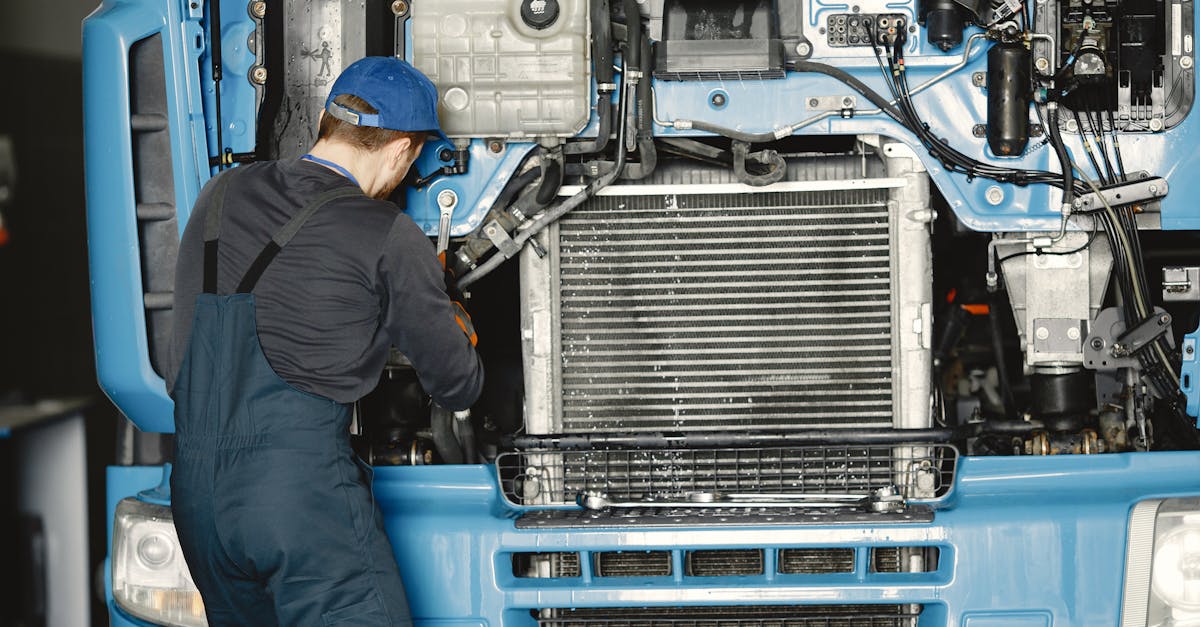
The modern US fleet management landscape is becoming increasingly complex, with a myriad of factors affecting fleet operations, from FMCSA regulations and DOT compliance to driver safety and fleet efficiency. Recent industry news, such as the concept of "undefined fleet management," highlights the need for a proactive approach to managing commercial motor vehicles. In this blog post, we will delve into the true cost of fleet downtime and the importance of predictive maintenance in minimizing losses and ensuring compliance with FMCSA regulations, including HOS rules and hours of service.
Understanding the Cost of Fleet Downtime
Fleet downtime can have a significant impact on a company's bottom line, with costs extending beyond just the repair or maintenance of the vehicle. According to recent studies, the average cost of fleet downtime can range from $500 to $1,000 per day, depending on the type of vehicle, industry, and other factors. This cost can quickly add up, especially for larger fleets, and can have a ripple effect on overall fleet operations, including dispatch management and route optimization.
The Role of Electronic Logging Devices (ELDs)
The use of electronic logging devices (ELDs) has become mandatory for most commercial motor vehicle (CMV) drivers, as per FMCSA regulations. While ELDs are primarily used for tracking hours of service (HOS) and ensuring compliance with DOT regulations, they can also play a crucial role in reducing fleet downtime. By providing real-time data on vehicle diagnostics and driver behavior, ELDs can help fleet managers identify potential issues before they become major problems, facilitating preventive maintenance and minimizing the risk of roadside inspections and CSA score penalties.
Predictive Maintenance and Fleet Safety
Predictive maintenance is a proactive approach to maintaining vehicles, using data and analytics to identify potential issues before they occur. This approach can help reduce fleet downtime, improve fleet safety, and ensure compliance with FMCSA regulations. By analyzing data from various sources, including vehicle diagnostics, telematics, and dash cam footage, fleet managers can identify patterns and trends that may indicate a potential problem. For example, if a driver is consistently struggling with hard braking or acceleration, it may indicate a need for additional driver coaching or training.
The Importance of Vehicle Inspections
Regular vehicle inspections are a critical component of predictive maintenance, and can help identify potential issues before they become major problems. As per FMCSA regulations, all commercial motor vehicles must undergo regular inspections, including pre-trip and post-trip inspections, as well as annual inspections. By conducting thorough inspections, fleet managers can identify potential issues, such as worn-out brakes or tires, and address them before they lead to a breakdown or accident.
Leveraging Technology for Predictive Maintenance
Recent industry developments, such as the concept of "hybrid core allocation," highlight the importance of leveraging technology to optimize fleet operations. By using advanced telematics and analytics, fleet managers can gain real-time insights into vehicle performance and driver behavior, enabling them to make data-driven decisions and reduce fleet downtime. Additionally, the use of dash cams and dashcam footage can provide valuable insights into driver behavior and help identify areas for improvement.
Practical Tips for Implementing Predictive Maintenance
Implementing a predictive maintenance program can seem daunting, but there are several practical steps that fleet managers can take to get started. These include:
- Analyzing vehicle diagnostics and telematics data to identify patterns and trends
- Conducting regular vehicle inspections to identify potential issues
- Providing driver coaching and training to improve driver behavior
- Optimizing route planning and dispatch management to reduce fuel consumption and lower emissions
- Implementing a fuel management program to reduce fuel costs and improve fleet efficiency
The Role of Fleet Management Software
Fleet management software, such as GoMate, can play a critical role in implementing a predictive maintenance program. By providing real-time insights into vehicle performance and driver behavior, fleet management software can help fleet managers identify potential issues before they become major problems. Additionally, fleet management software can help streamline fleet operations, including dispatch management, route optimization, and fuel management, enabling fleet managers to reduce costs and improve fleet efficiency.
Conclusion
The true cost of fleet downtime can be significant, and can have a major impact on a company's bottom line. By implementing a predictive maintenance program, leveraging technology, and providing driver coaching and training, fleet managers can reduce fleet downtime, improve fleet safety, and ensure compliance with FMCSA regulations. As the fleet management landscape continues to evolve, it's essential for fleet managers to stay ahead of the curve and leverage the latest technologies and strategies to optimize fleet operations. To learn more about how to reduce fleet downtime and improve fleet efficiency, contact us today and discover how our expertise can help you achieve your goals.